September marks PCOS Awareness Month, a time to raise awareness about PCOS Ovary Syndrome (PCOS). It is one of the most common hormonal conditions affecting around 6-13% of women of reproductive age, and 70% of these cases go undiagnosed. Other data suggest that one in five women in India suffers from this condition. Despite being so prevalent, PCOS is often misunderstood, misdiagnosed, or ignored until it causes fertility issues or serious health complications.
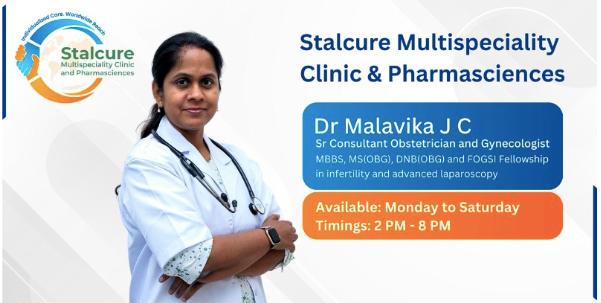
Dr. J C Malavika, an experienced gynecologist in Sarjapur at Stalcure Multispeciality Clinic & Pharmasciences, believes PCOS awareness today isn’t just critical, it’s urgent. Dr. Malavika shares:
I’ve seen countless women walk into my clinic thinking their symptoms are “just part of being a woman.”
“I’ve always had irregular periods.”
“I’ve been gaining weight no matter what I do.”
“My skin just breaks out all the time.”
What they don’t realize is that these could be signs of Polycystic Ovary Syndrome (PCOS), one of the most common hormonal disorders affecting women of reproductive age in India.
And yet, 1 in 5 women in our country lives with PCOS, and nearly half of them remain undiagnosed.
That’s why I believe PCOS awareness is urgent.
This PCOS Awareness Month, I want to share why understanding this condition is crucial, not just for managing symptoms, but for protecting long-term health, fertility, and emotional well-being.
Why PCOS Awareness is So Critical
PCOS is often dismissed as a minor hormonal imbalance. But in reality, it’s a complex metabolic and endocrine disorder that affects more than just the ovaries.
When women don’t recognize the signs early, they delay seeking help, sometimes for years. By the time they come in, they may already be facing complications like insulin resistance, infertility, or even prediabetes.
At Stalcure Multispeciality Clinic & Pharmasciences, I’ve seen teenagers as young as 15 struggling with acne and hair growth, unaware that PCOS could be the cause. I’ve seen women in their 30s devastated by infertility, not knowing their irregular cycles were a red flag years earlier.
PCOS Awareness changes this narrative. It empowers women to ask questions, seek timely diagnosis, and take control before complications arise.
The Hidden Risks of Undiagnosed PCOS
Many women think PCOS is only about periods or fertility. But the truth is, it’s linked to long-term health risks that go far beyond the reproductive system.
1. Insulin Resistance & Type 2 Diabetes
Over 70% of women with PCOS have some degree of insulin resistance, meaning their bodies struggle to use insulin effectively. This increases the risk of type 2 diabetes, even in young, non-overweight women.
2. Cardiovascular Health
PCOS is linked to higher levels of bad cholesterol (LDL), triglycerides, and blood pressure. These risk factors may lead to heart conditions later in life.
3. Mental Health Challenges
Hormonal imbalances, body image issues, and fertility concerns often lead to anxiety, depression, and low confidence. I’ve had patients tell me, “I feel like my body is betraying me.” That emotional toll is real, and it needs care.
4. Endometrial Cancer Risk
When periods are irregular or absent, the uterine lining doesn’t shed regularly. This can lead to endometrial hyperplasia, which is a precursor to uterine cancer, if left untreated.
5. Sleep Apnea
Especially in women with weight gain, PCOS increases the risk of obstructive sleep apnea, which affects sleep quality, energy, and heart health. These aren’t rare outcomes; they’re preventable complications. And early awareness is the first line of defense.
Breaking the Stigma: PCOS Is Not Your Fault
One of the most significant barriers to care is the stigma of shame. Women often feel guilty about weight gain, acne, or hair growth, thinking it’s due to poor discipline. But PCOS is not caused by laziness or bad choices. It’s influenced by genetics, hormones, and metabolic factors, many of which are beyond a woman’s control.
I tell my patients:
“You didn’t cause PCOS. But you can manage it, with the right support.”
We must stop normalizing symptoms like “heavy periods” or “facial hair” as “just how it is.” They’re not cosmetic issues; they’re medical signs.
What Women Can Do: Early Detection & Action
The good news? PCOS is manageable. With early diagnosis and a personalized plan, women can regulate their cycles, improve fertility, and reduce long-term risks.
Know the Signs
Common symptoms include:
- Irregular or missed periods
- Acne (especially on chin/jawline)
- Excess hair growth (face, chest, back)
- Hair fall or thinning
- Unexplained weight gain or difficulty losing weight
- Dark patches on skin (neck, underarms)
- Mood swings or fatigue
If you have two or more of these, it’s time to consult a gynecologist.
Get Diagnosed Properly
PCOS is diagnosed through:
- Medical history
- Hormone blood tests (LH, FSH, testosterone, insulin, thyroid)
- Pelvic ultrasound (to check for ovarian cysts)
At Stalcure Multispeciality Clinic & Pharmasciences, we ensure every woman gets a comprehensive evaluation, not just a quick scan.
Start with Lifestyle
While medication helps, lifestyle is the foundation of PCOS management:
- Diet: Focus on low glycemic index foods, fiber, and protein. Avoid sugary, processed foods.
- Exercise: Even 30 minutes of walking daily can improve insulin sensitivity.
- Sleep & Stress: Poor sleep and high cortisol worsen hormonal imbalance.
Small, consistent changes make a big difference.
Medical Support When Needed
Depending on your goals (regulating periods, managing acne, planning pregnancy), we may recommend:
- Oral contraceptives (for cycle control)
- Metformin (for insulin resistance)
- Anti-androgens (for hair/skin issues)
- Fertility treatments (if trying to conceive)
There’s no one-size-fits-all plan, and that’s why personalized care matters.
To Wrap It Up: PCOS Awareness is the First Step to Empowerment
PCOS isn’t just a “women’s issue”. It’s a public health issue that affects millions of lives, careers, relationships, and futures. As a doctor, my mission is not just to treat PCOS, but to prevent years of suffering due to silence and misinformation. This PCOS Awareness Month, I urge every woman, whether you suspect you have PCOS or not:
- Listen to your body
- Ask questions
- Seek expert care early
You don’t have to “just live with it.”
You deserve answers, support, and good health.
At Stalcure Clinic, we’re here to walk this journey with you, with science, compassion, and respect.
Take the Next Step
If you’re experiencing symptoms of PCOS, don’t wait. Early intervention changes outcomes.
Book a consultation with Dr. Malavika at Stalcure Clinic, Bengaluru.
Frequently Asked Questions (FAQs)
1. Can PCOS be cured?
PCOS cannot be “cured,” but it can be effectively managed with lifestyle changes, medications, and regular monitoring. Many women achieve regular cycles, clear skin, and even conceive with proper care.
2. Do I need treatment if I’m not trying to get pregnant?
Yes. Even if fertility isn’t a concern, untreated PCOS increases risks of diabetes, heart disease, and endometrial cancer. Treatment helps protect your long-term health.
3. Can thin women have PCOS?
Absolutely. While weight gain is typical, lean PCOS affects women of normal or low BMI. Symptoms like irregular periods, acne, and hair growth still occur.
4. Is PCOS genetic?
There is a strong genetic link. If your mother or sister has PCOS, your risk is higher. But genes aren’t destiny; lifestyle plays a significant role in symptom control.
5. How soon should I see a doctor for irregular periods?
If your cycles are consistently longer than 35 days, or you’ve missed more than 3 periods in a year, it’s time to consult a gynecologist, especially if you have other symptoms.
6. Can PCOS go away after pregnancy?
Not usually. Hormones may improve temporarily after pregnancy, but PCOS is a chronic condition. Postpartum care and monitoring are essential.
7. Is the ultrasound painful?
No. A pelvic ultrasound is a quick, non-invasive procedure. It may feel slightly uncomfortable, but not painful.
