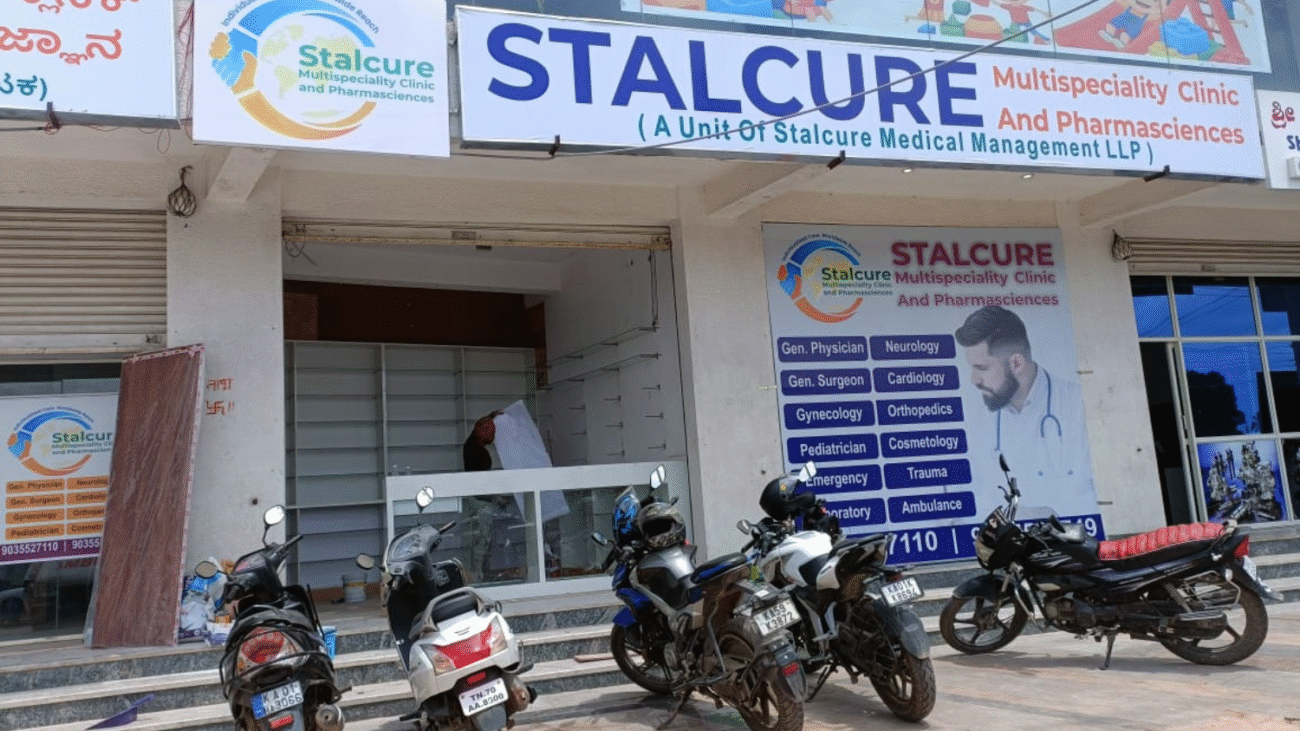
Looking for the best multispeciality clinic in Attebele? We are thrilled to announce the launch of Stalcure Multispeciality Clinic and Pharmasciences on Sarjapura-Attibele Road, providing world-class healthcare for you and your family
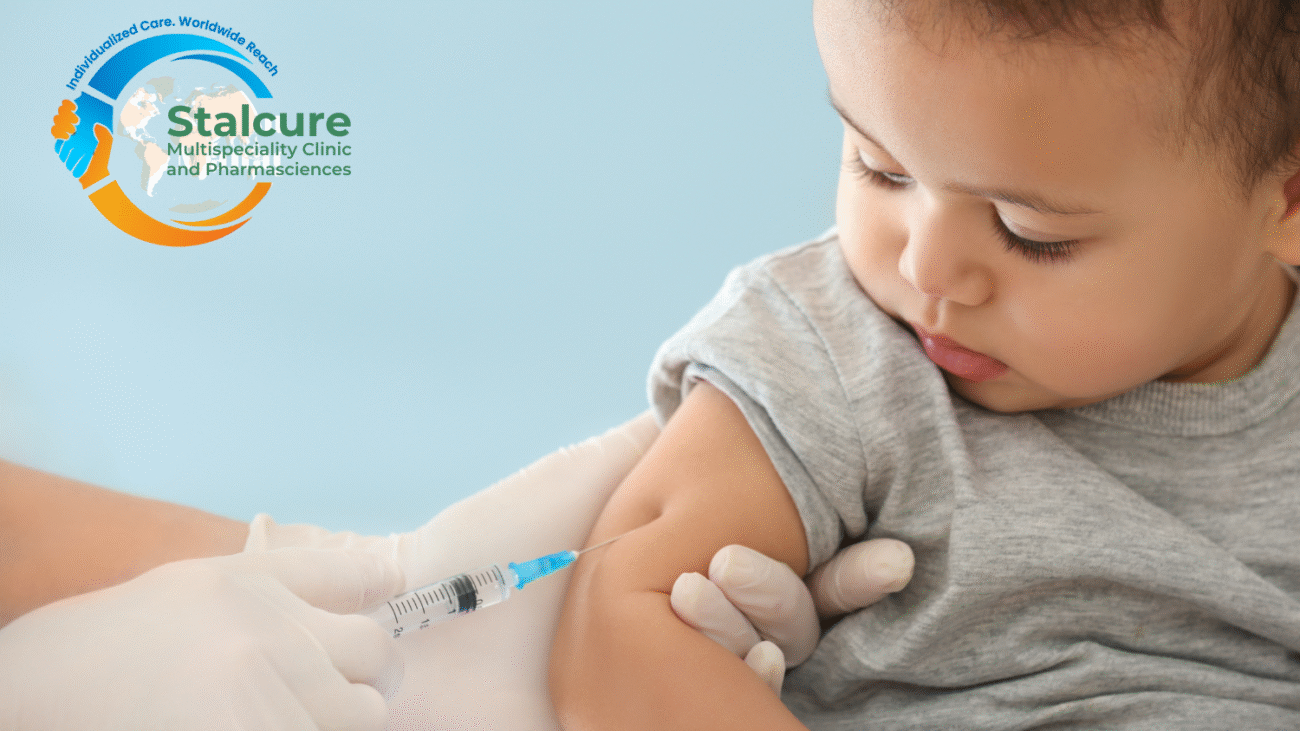
Childhood Vaccines in 2025: What Parents Need to Know
Childhood Vaccines play a vital role in safeguarding children from serious, potentially life-threatening diseases and help build a strong foundation for lifelong wellness.
Juvenile Arthritis Awareness Month: A Comprehensive Guide for Parents and Caregivers
July marks Juvenile Arthritis Awareness Month, a time dedicated to raising awareness about Juvenile Arthritis, also known as juvenile idiopathic arthritis (JIA). It is a group of autoimmune and inflammatory conditions that affect children under the age of 16. This chronic condition can significantly impact a child’s joints, growth, and overall quality of life if not diagnosed and managed promptly.
According to a study, the estimated prevalence of JIA in India was 48/100,000 (95% CI 10-280). The study suggests JIA is not rare and it affects thousands of Indian children every year. At Stalcure Multispeciality Clinic, we are committed to educating families, improving early diagnosis, and providing compassionate care for children with JA. This is an in-depth guide on everything you need to know about Juvenile Arthritis and how you can help people suffering from this condition.
Understanding the Causes of Juvenile Arthritis
Although the exact cause of JIA has not been identified, some researchers believe that a combination of genetic and environmental factors may contribute to its development. Children with a family history of autoimmune diseases may be more at risk. Sometimes, viral or bacterial infections can act as triggers, causing the immune system to overreact.
Potential factors contributing to JIA include:
- Genetic predisposition
- Immune system dysregulation
- Infections
- Environmental triggers
Juvenile arthritis has several forms, such as Juvenile Idiopathic Arthritis (JIA), Juvenile Lupus, Juvenile Dermatomyositis, Juvenile Scleroderma, and Enthesitis-Related Arthritis.
Signs & Symptoms of JA
Many parents usually mistake JA symptoms with sports injuries or growing pains. That’s why the early signs go unnoticed. Here are some common signs and symptoms you can watch out for:
Physical Symptoms
- Persistent joint pain, swelling, or stiffness (especially in the morning)
- Limping or saying no to physical activities
- Unexplained rashes or high fevers (common in systemic JIA)
- Eye redness, pain, or vision changes (possible uveitis)
- Reduced range of motion in affected joints
Behavioral Signs
- Fatigue, low on energy, and irritability (beyond normal tiredness)
- Reduced appetite or unexplained weight loss
- School struggles (due to pain or stiffness)
Note that JA doesn’t just affect the body; it impacts a child’s mental health, school life, and family dynamics. Hence, if the above symptoms persist for more than a few weeks, it’s essential to seek a medical evaluation by a pediatric rheumatologist.
How Doctors Identify Juvenile Arthritis: The Diagnosis
Since there’s no single test for JA, at Stalcure diagnostics, we use a combination of tests to identify JA:
1. Physical Examination
- Checking for joint swelling, warmth, or limited movement.
- Looking for rashes, nail changes, or muscle weakness.
2. Blood Tests
- ANA (Antinuclear Antibody) – Associated with an increased risk of uveitis.
- RF (Rheumatoid Factor) – Helps classify JIA types.
- CRP & ESR – Measure inflammation levels.
3. Imaging
- X-rays (check for joint damage).
- MRI or Ultrasound (detect early inflammation).
4. Eye Exams
- Slit-lamp exam to rule out uveitis (a silent but serious complication).
Managing & Treating JIA
While there’s no cure yet, modern treatments help children achieve remission and live a healthy life.
1. Physical & Occupational Therapy
- Improves flexibility, strength, and daily function.
- Teaches joint protection techniques.
2. Lifestyle & Nutrition
- Anti-inflammatory diet (omega-3s, leafy greens, berries).
- Low-impact exercise (swimming, yoga, biking).
- Stress management (including mindfulness and counseling).
3. Medication & Surgical Options (Rare Cases)
- Medication (as prescribed by the doctor)
- Joint injections (corticosteroids for severe swelling).
- Joint replacement (only in advanced cases).
How Stalcure Multispeciality Clinic Can Help
At Stalcure Multispeciality Clinic in Sarjapur, Bengaluru, we understand children with JIA have unique challenges and need specialized, compassionate care. Our pediatric care team collaborates closely with orthopedic specialists and diagnostic experts to ensure a thorough evaluation and an effective management plan tailored to your child’s specific needs.
Why Choose Stalcure
- Expert pediatricians & orthopedic doctors under one roof
- Advanced diagnostics for accurate and early detection
- Personalized care plans with regular monitoring
- Access to physiotherapy and nutritional counseling
- Compassionate support for children & families
Whether it’s helping manage symptoms or guiding your child through long-term wellness, Stalcure Multispeciality Clinic offers comprehensive care at every stage. We don’t just help with treatment; our goal is to help your kid thrive.
To Conclude
Juvenile arthritis is a serious but manageable condition. If your child is showing signs or has symptoms of JA, don’t delay. The earlier the diagnosis, the better the outcome. Our mission is to provide individualized, affordable, and compassionate care to every child and their family. We’re here to support your child’s journey toward better health.
Juvenile arthritis is a lifelong condition, but with early diagnosis and treatment, children can lead active and happy lives. If you suspect JA, don’t wait; early action changes lives. Contact Stalcure Multispeciality Clinic for consultation today.
FAQs on Juvenile Arthritis
Is juvenile arthritis curable?
While there’s no permanent cure, many children go into remission with the proper treatment. Early diagnosis and consistent care significantly improve the prognosis.
Is JA hereditary?
Most cases of JA occur sporadically; however, some forms of it can run in families. It is essential to recognize the early signs of JA for effective management.
Can JA affect my child’s growth?
Yes, if not appropriately managed, inflammation from JA can interfere with bone development and growth. This is why early intervention is essential.
Can my child outgrow Juvenile Arthritis?
Yes, most children with Juvenile Idiopathic Arthritis (JIA) can potentially outgrow the condition. However, some may have symptoms for years and may require lifelong management. Early treatment can significantly improve the outcome.
Are medications safe for children with arthritis?
Yes, under medical supervision. Your doctor could include NSAIDs, DMARDs, or biologics tailored to minimize side effects and manage symptoms effectively.
Can diet or exercise help manage symptoms?
A balanced diet and regular physical activity, guided by a healthcare professional, can help improve flexibility, reduce inflammation, and support overall well-being.
Is JA the same as arthritis in adults?
Not exactly. While symptoms may overlap, JA is a different condition with unique triggers and disease progression patterns.
What kind of sports are safe for children with JA?
Low- and medium-impact sports, such as swimming, biking, and yoga, are great for children with JA.
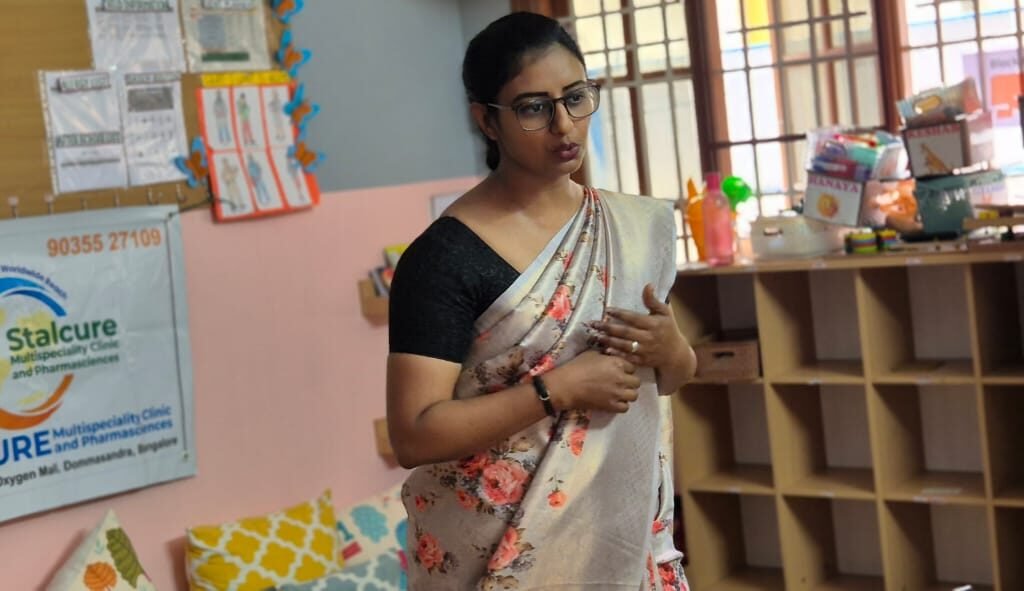
Empowering Educators: First-Aid Training at Local Montessori by Stalcure


Safety First at Preschool — A Successful First-Aid Workshop for Montessori Teachers
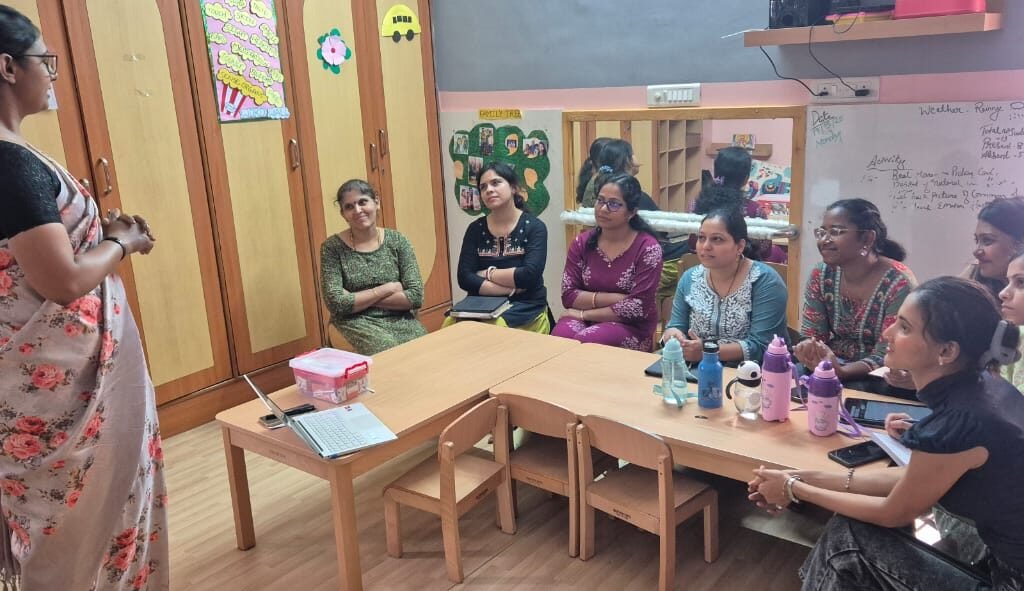
Last week, the team from Stalcure Multispeciality Clinic & Pharmasciences had the privilege of conducting an interactive and insightful First-Aid Training session for the dedicated staff of a nearby Montessori school. With 15 enthusiastic teachers and support staff in attendance, the session focused on equipping early childhood educators with essential first-aid knowledge that can truly make a life-saving difference.
Led by Expertise: Nurse Margaret Shows the Way
The session was led by Margaret, our experienced Nursing Supervisor, who made the workshop hands-on, engaging, and full of practical tips tailored specifically for pre-school environments. From demonstrations to Q&A, the training covered real-world scenarios that educators commonly face in classrooms full of curious little explorers.
Common Preschool Emergencies: What Teachers Asked
Educators had many thoughtful questions—proving just how invested they are in their students’ well-being. Some of the situations we discussed:
- What to do if a child is choking?
- How to react if a child puts a bead in their nose or ear?
- Is that rash from a mosquito bite or chickenpox?
- How to handle fever and vomiting in a classroom?
- How to clean and treat minor cuts and bruises?
- What if a child has an allergic reaction or itching?
- What should a preschool First-Aid Kit contain?
💡 Nurse Margaret not only demonstrated practical techniques but also did a full First-Aid Kit check to ensure all the basics—from bandages to antiseptic—were present and properly stored.
When in Doubt: Alert Parents and Consult a Doctor
Especially in cases of itching, rashes, or boils, it’s crucial not to jump to conclusions. These could be as harmless as a mosquito bite—or as serious as the onset of chickenpox. In such cases, teachers were advised to immediately alert parents and consult a pediatrician, ensuring proper medical advice is sought without delay.
School Certified & Ready
We’re proud to share that the Montessori is now First-Aid Certified, thanks to this initiative. The school staff is now more confident in identifying and responding to health emergencies, making the learning space safer for every child.
The response from the school community was overwhelmingly positive, with many teachers calling the session “eye-opening” and “empowering.”
Brought to You by Stalcure
This initiative was proudly organized and delivered by the team at Stalcure Multispeciality Clinic & Pharmasciences. With a strong focus on community health outreach, Stalcure is committed to bringing medical awareness and training to places where it matters most — starting with schools and early learning centers.
From emergency care to preventive health education, Stalcure continues to stand by its mission of making healthcare accessible, informative, and action-oriented for all.
Need a First-Aid Workshop for Your School?
Interested in hosting a similar First-Aid training session for your preschool or school staff? Get in touch with us at StalcureGroup.com — and let’s make safety a shared responsibility.
Baby Vaccination Schedule India: 2025 Chart & Immunization Guide for Parents

Introduction
Vaccinating your baby is one of the most effective ways to protect them from life-threatening diseases. Following the recommended baby vaccination schedule India ensures your child receives timely protection against infections like polio, measles, and hepatitis. With the detailed baby vaccination chart India, parents can stay on track with each essential vaccine.
At Stalcure Multispeciality Clinic & Pharmasciences, a trusted pediatric clinic in Bengaluru, our expert pediatricians make the entire child immunization schedule easy to follow. Whether you’re searching for a baby doctor in Bangalore or a child doctor near me, we’re here to support you every step of the way.
In this guide, we simplify the top 5 essential baby vaccinations every parent in India should know, along with a quick reference chart for your convenience.
1. BCG Vaccine (Tuberculosis)
- When to give: At birth
- Why: Protects against tuberculosis, a bacterial infection that affects the lungs and other organs. TB is still prevalent in India, making this an essential vaccine.
- Parent Tip: Usually administered at the hospital shortly after delivery.
2. DTP Vaccine (Diphtheria, Tetanus, Pertussis/Whooping Cough)
- When to give: 6, 10, and 14 weeks (with booster doses at later stages)
- Why: This combination vaccine shields your child from three serious infections—diphtheria (throat infection), tetanus (muscle stiffness), and pertussis (whooping cough).
- Parent Tip: Mild fever or fussiness after the shot is normal and temporary.
3. Polio Vaccine (Oral and Injectable)
- When to give: At birth, followed by 6, 10, and 14 weeks
- Why: India has eliminated polio, but continued vaccination is key to keeping it away. This vaccine prevents paralysis caused by the poliovirus.
- Parent Tip: Always participate in national polio immunization drives for extra protection.
4. MMR Vaccine (Measles, Mumps, Rubella)
- When to give: First dose at 9 months, second dose between 15–18 months
- Why: These three viral diseases can cause severe complications like fever, hearing loss, and even brain inflammation.
- Parent Tip: This is a highly effective vaccine that is used worldwide.
5. Hepatitis B Vaccine
- When to give: At birth, then at 6 and 14 weeks
- Why: Hepatitis B attacks the liver and can lead to lifelong health issues. Vaccination early in life offers maximum protection.
- Parent Tip: Often given as part of a combination vaccine along with DTP and others.
Why Choose a Child Doctor Near You for Vaccinations?
Vaccinations need to be administered at the right time and in the right manner. Missing even one shot can leave your baby vulnerable. That’s why it’s important to visit a trusted baby doctor in Bangalore or look for a child doctor near me with experience in pediatric immunizations.
At Stalcure, our team of dedicated pediatricians:
- Tracks your child’s complete immunization schedule
- Offers vaccination reminders
- Uses government-recommended vaccines
- Educates you on post-vaccine care
Conclusion: Make Vaccination Stress-Free with Stalcure
Whether you’re a new parent or managing multiple children, navigating the child immunization schedule doesn’t have to be stressful. Our experienced doctors at Stalcure Multispeciality Clinic & Pharmasciencesoffer complete support, from explaining vaccine benefits to helping you stay on track with appointments.
Still unsure about your child’s infant vaccination schedule? Want to consult a child doctor near you?
📅 Schedule a visit to Stalcure Multispeciality Clinic & Pharmasciences— the trusted baby doctor in Bangalore — and give your child the safe, healthy start they deserve.
Your Baby’s First Year: A Month-by-Month Guide

Welcome to your ultimate baby development guide.
Your baby’s first year is a time of exciting changes—and it’s normal to wonder if everything is on track. At Stalcure, a trusted pediatric clinic in Bangalore, we’re here to help you track your child’s monthly growth and identify when to consult a baby doctor.
Use this simple month-by-month baby development guide to stay informed, confident, and ready for every precious moment.
Month-by-Month Baby Development Stages
Month 1: Newborn Snuggles
- Feeding: Every 2–3 hours, including at night
- Sleep: More than 16 hours daily, in short naps
- Development: Recognizes your voice and face, responds to touch
Tip: Gentle skin-to-skin contact can build trust and encourage bonding.
Month 2–3: Smiles and Sounds
- Feeding: Regular feeds continue, with possible growth spurts
- Sleep: Longer sleep stretches at night
- Development: Starts smiling, cooing, and tracking objects with eyes
Development check: If your baby isn’t making eye contact or responding to sounds, it’s wise to speak to a baby doctor in Bangalore.
Month 4–5: Rolling and Playtime
- Feeding: Baby becomes more curious during feeds
- Sleep: Nap patterns become more consistent
- Development: Rolls over, grabs toys, and shows more social interaction
Baby development tip: Introduce soft toys or rattles to support hand-eye coordination and motor development.
Month 6: Halfway to One
- Feeding: Begin with iron-rich solid foods (consult your pediatrician)
- Sleep: May start sleeping longer at night
- Development: May sit with support, babble, show emotions
Development alert: If your baby isn’t attempting to sit or hold their head up, schedule a developmental checkup.
Month 7–9: Exploring Through Movement
- Feeding: Tries new tastes, textures, and finger foods
- Sleep: Daytime naps and night sleep become more structured
- Development: Sits independently, crawls, and may pull to stand
Goal: Allow plenty of floor time in a safe space to encourage mobility.
Month 10–12: First Words and First Steps
- Feeding: Eats with fingers, may start whole milk after 12 months
- Sleep: May sleep through the night
- Development: May walk, say “mama” or “dada,” and understand simple instructions
Language tip: Encourage speech by reading, singing, and talking to your baby often.
When to Consult a Baby Doctor in Bangalore
Every child develops at their own pace, but some signs may suggest the need for professional guidance. If your baby misses several milestones or shows delayed development in movement, speech, or behavior, consult a pediatrician without delay. At Stalcure Multispeciality Clinic & Pharmasciences, our expert baby doctors in Bangalore are here to help you track growth and address concerns early.
Final Thoughts: Your Partner in Parenting
This baby development guide is designed to help you understand each key milestone during the first year. Remember, no two babies are exactly alike—but having the right support makes a big difference.
If you have concerns or questions about your baby’s development, book a consultation with Stalcure Multispeciality Clinic & Pharmasciences pediatric specialists in Bangalore. We’re here to support your child’s health every step of the way.