Dr. J C Malavika, an experienced gynecologist in Sarjapur at Stalcure Multispeciality Clinic & Pharmasciences, believes PCOS awareness today isn’t just critical, it’s urgent.
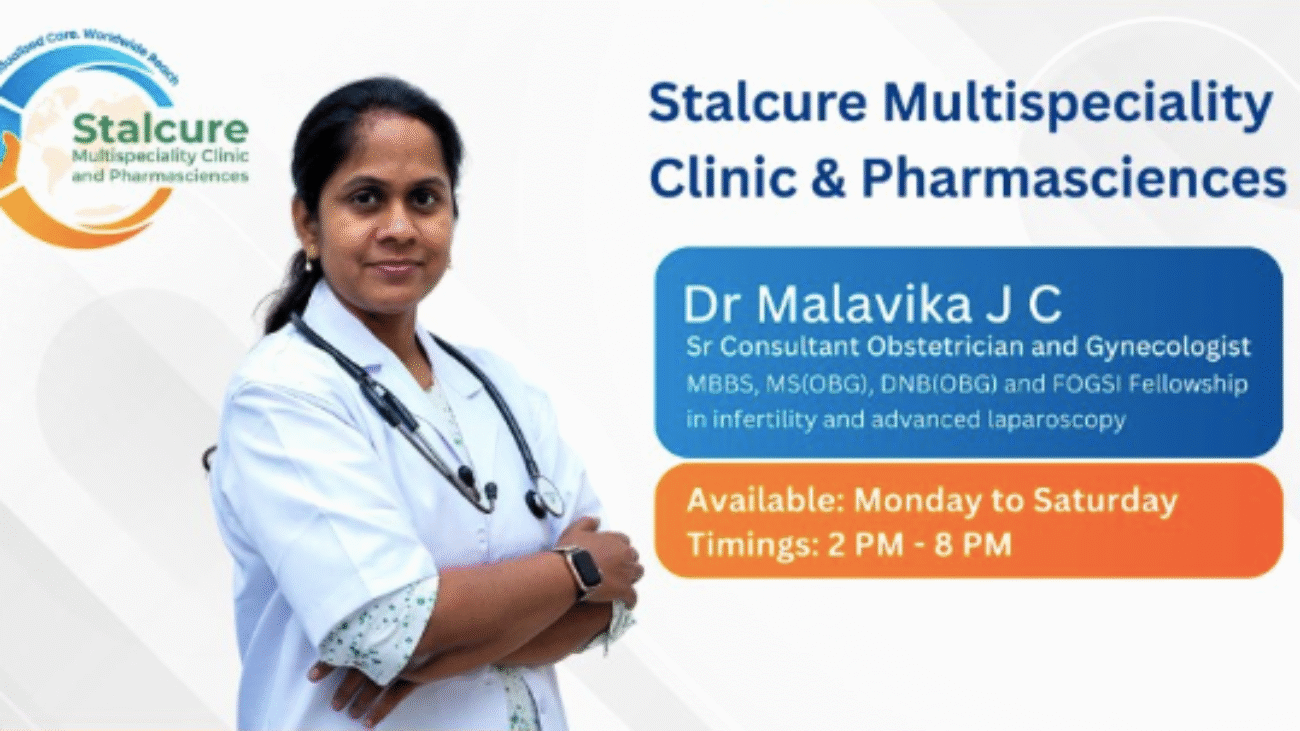
Dr. J C Malavika, an experienced gynecologist in Sarjapur at Stalcure Multispeciality Clinic & Pharmasciences, believes PCOS awareness today isn’t just critical, it’s urgent.

finding the best gynecologist in Sarjapura isn’t about who’s closest to home. It’s about finding someone you can talk to, trust, and get comprehensive care at every stage of life.
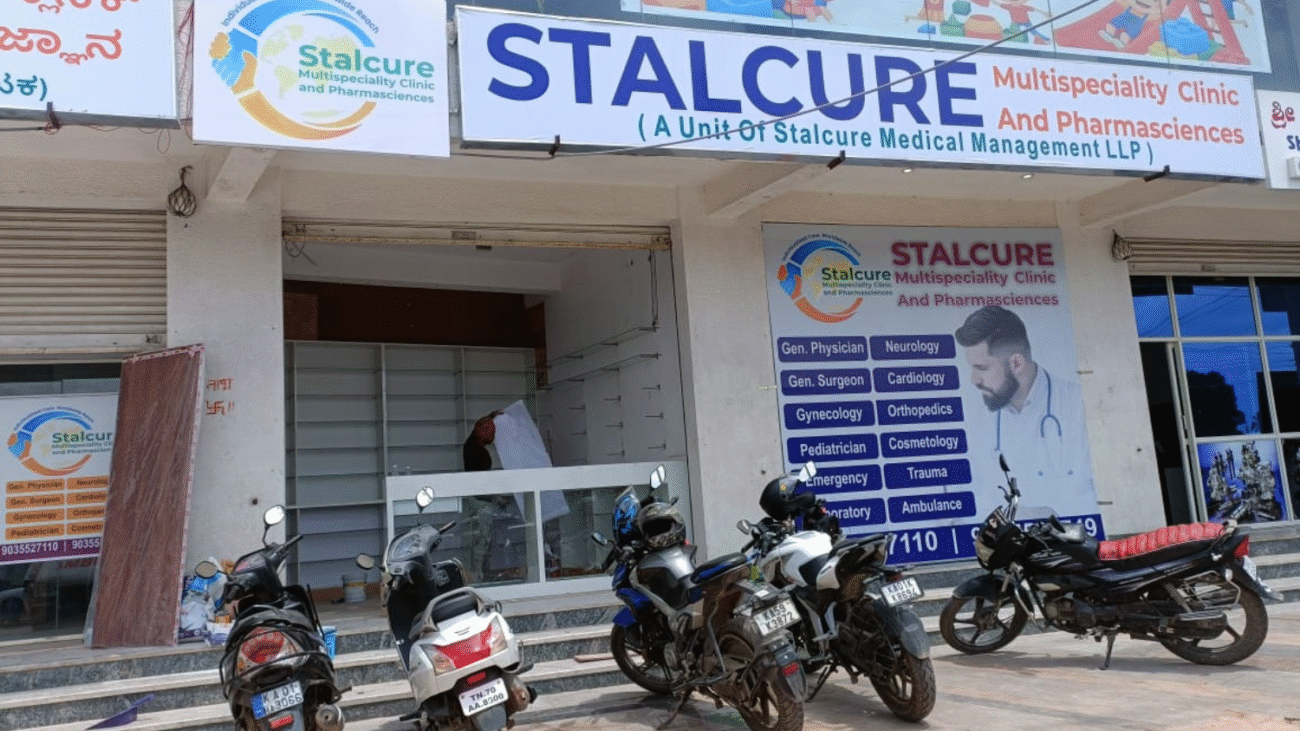
Looking for the best multispeciality clinic in Attebele? We are thrilled to announce the launch of Stalcure Multispeciality Clinic and Pharmasciences on Sarjapura-Attibele Road, providing world-class healthcare for you and your family

Pregnancy is an incredible journey that brings joy, excitement, and some unique health challenges. During this phase, following proper pregnancy care tips not only supports a healthy pregnancy but also significantly improves outcomes for the mother and the baby. I
Polycystic Ovary Syndrome (PCOS) is more common than you might think. In fact, 1 in 10 women of reproductive age are affected by PCOS globally, according to the World Health Organization (WHO). But despite its prevalence, it often goes undiagnosed, leaving many women struggling with unexplained symptoms.
If you’ve ever asked yourself, “Do I have PCOS?” — you’re not alone. This guide breaks down everything you need to know about PCOS, from symptoms and causes to how it’s diagnosed.
PCOS is a hormonal disorder that affects the ovaries. It’s characterized by irregular menstrual cycles, excessive androgen levels (male hormones), and polycystic ovaries (where the ovaries contain numerous small fluid-filled sacs).
While PCOS gets its name from the presence of ovarian cysts, not all women with PCOS have them — and not all cysts indicate PCOS. Confusing, right? That’s why a comprehensive understanding is crucial.
How do you know answer to the question – “Do I have PCOS”? PCOS symptoms can vary from person to person, but here are some of the most common signs to look out for:
According to the Centers for Disease Control and Prevention (CDC), up to 70% of women with PCOS go undiagnosed, mainly because symptoms can be subtle or mistaken for other health issues.

The exact cause of PCOS is still unclear, but several factors are known to play a role:
There’s no single test to diagnose PCOS. Doctors usually use a combination of the following:
To be diagnosed with PCOS, a woman typically needs to meet at least two of the following three criteria (known as the Rotterdam Criteria):
Ignoring PCOS can lead to serious health risks like type 2 diabetes, heart disease, infertility, and even endometrial cancer. Early diagnosis and lifestyle changes — including a healthy diet, regular exercise, and stress management — can go a long way in managing symptoms and improving long-term health.
If any of these symptoms sound familiar, it might be time to speak to a healthcare professional. The sooner PCOS is diagnosed, the sooner you can take action.
Where to Get Help: Your First Step Toward a Diagnosis
If you’re experiencing symptoms that sound like PCOS, it’s important to consult with a qualified healthcare provider. Having the right team by your side can make all the difference — not just in getting a diagnosis, but in feeling heard, supported, and understood.
At Stalcure Multispeciality Clinic, we understand how overwhelming navigating hormonal health can be. Our approach is personalized and empathetic, combining the latest in diagnostic tools with a patient-first mindset. Whether you’re dealing with irregular periods, unexplained weight gain, or fertility concerns, our experienced specialists in gynecology, endocrinology, and nutrition work together to provide comprehensive and compassionate care.
You don’t have to self-diagnose or go through it alone. A proper consultation can bring clarity and help set you on a path to better health.
To book a consultation or speak with a specialist, simply reach out to Stalcure through our website or visit the clinic directly. We’re here to support you every step of the way.
PCOS may be complex, but understanding it is the first step toward taking control of your health. Remember — you’re not alone. With the right care and support, PCOS can be managed effectively.


Wondering if you’re pregnant? Early pregnancy symptoms can be subtle, but recognizing them is crucial. At Stalcure Multispeciality Clinic on Sarjapur Road, Bangalore, we specialize in women’s health and are here to guide you through every step of your journey.
A missed period is often the first and most noticeable sign of pregnancy. If your menstrual cycle is regular and you’ve missed a period, it’s time to consider taking a pregnancy test.
Hormonal changes during early pregnancy can make your breasts feel tender, sore, or swollen. You might also notice that your areolas (the area around your nipples) darken.
Nausea, often referred to as morning sickness, can occur at any time of the day and typically starts around the sixth week of pregnancy. Some women may experience it earlier, while others might not experience it at all.
Feeling unusually tired? High levels of the hormone progesterone during early pregnancy can make you feel sleepy and fatigued. This is a common symptom in the first trimester.
If you’re experiencing any of these symptoms:
Located in the heart of Sarjapur Road, Bangalore, Stalcure Multispeciality Clinic offers comprehensive healthcare services, including:
If you suspect you’re pregnant or have any concerns about your reproductive health, don’t hesitate to reach out. Our team at Stalcure Multispeciality Clinic is here to support you.
📍 Address: Confident Oxygen Mall, Sarjapura Road, Bangalore
📞 Phone: +91 90355 27110
📧 Email: reachus@stalcuregroup.com
🌐 Website: stalcuregroup.com
Your health is our priority. Trust Stalcure Multispeciality Clinic for compassionate and comprehensive care.