Childhood Vaccines play a vital role in safeguarding children from serious, potentially life-threatening diseases and help build a strong foundation for lifelong wellness.
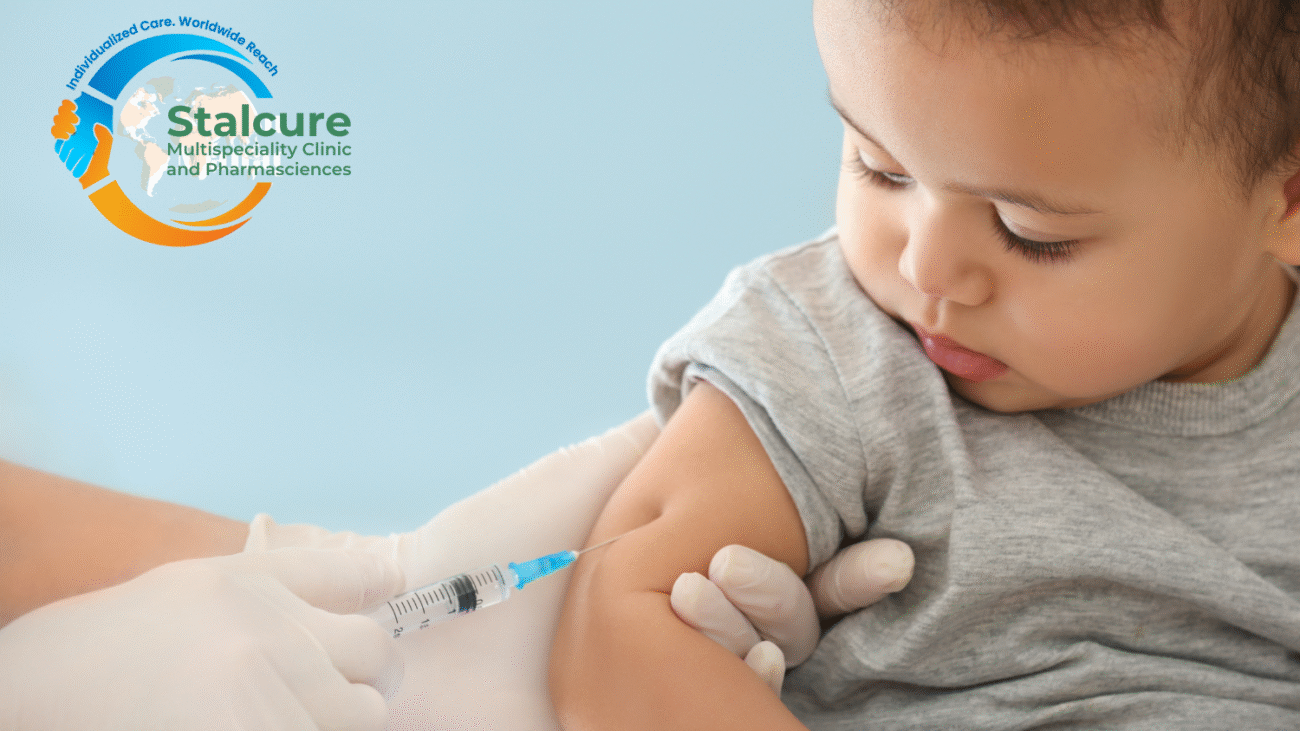
Childhood Vaccines play a vital role in safeguarding children from serious, potentially life-threatening diseases and help build a strong foundation for lifelong wellness.

When it comes to high-quality healthcare in Bengaluru, finding the best multispeciality clinic near me can often be challenging. If you are looking for comprehensive medical services under one roof, look no further than Stalcure Multispeciality Clinic and Pharmasciences.
Combining expert consultations, advanced diagnostics, in-house pharmacy, and home-based support services, Stalcure offers a healthcare model built for modern families. Here’s why Stalcure Multispeciality Clinic on Sarjapur Road stands out as the best multispeciality clinic in the area.
A multispeciality clinic brings together different departments under one roof, ensuring convenience, accurate diagnosis, and better-coordinated care. Here are some notable benefits:
Having multiple specialties in one location gives families peace of mind. Instead of visiting multiple doctors at different places, a multispeciality clinic in Bengaluru can provide everything in one place. At Stalcure Clinic, you have access to a range of specialists, including general physicians, gynecologists, orthopedists, pediatricians, cardiologists, ENT specialists, and others, enabling unified treatment plans and improved follow-up care.
This is one of the most important benefits of choosing a multispeciality clinic on Sarjapur Road. With on-site diagnostics and lab services, you get faster test results and immediate consultations with doctors. At Stalcure Clinic, we ensure that you don’t have to run between a lab and the clinic – everything happens under one roof seamlessly.
Stalcure Multispeciality Clinic and Pharmasciences operate every day from 8 AM to 8 PM, including weekends. We provide affordable consultation and diagnostic services to all. Moreover, having an aligned scheduling and a supportive team in place, you avoid long waits and get faster access to the best care.
All family members, from toddlers to seniors, require and deserve specialized healthcare. At Stalcure Clinic, we offer tailored medical solutions for the youngest members of your family to the oldest. You receive one-stop care for all generations, eliminating the need to visit multiple clinics. This provides continuity of care, with dedicated doctors tracking your family’s medical history.
All departments are led by qualified, experienced doctors who prioritize patient care and evidence-based treatment.
Stalcure Clinic is Sarjapur Road’s trusted multispeciality clinic, offering expert medical care across a diverse range of specialties. Whether you’re dealing with a seasonal illness, need pediatric support for your child, planning a women’s wellness visit, or seeking a mental health consultation, Stalcure Multispeciality Clinic is here to help—with care that’s close, connected, and compassionate.
Visit us today to experience quality care at one of the best multispeciality clinics on Sarjapur Road.
Book your appointment online with our experts at Stalcure.
Our multispeciality clinic in Sarjapur, Bengaluru, is open Monday through Sunday, 8:00 AM – 8:00 PM.
Stalcure Multispeciality Clinic is located on. The 122 First Floor, Confident Oxygen Mall, Dommasandra, Sarjapura Road, Bangalore 562125
We welcome both. However, appointments are encouraged for faster service; walk-ins are accommodated on a first-come, first-served basis, subject to availability.
Yes. We offer a comprehensive range of in-house lab tests and imaging services.
Fees vary by specialist. Please call 90355 27110 to know more.
Yes. Our pharmacy delivers to Sarjapura, Dommasandra, Chikkatirupati, and Chambenahalli—free for orders above ₹500.
We cover a wide range of specialties, including general medicine, cardiology, gynecology, pediatrics, orthopedics, ENT, optometry, and more.
Absolutely. We maintain transparent pricing, discounted health packages, and support EMI plans for select treatments.
Yes. We support medical tourism with streamlined care, international patient assistance, and tie-ups with leading hospitals.
July marks Juvenile Arthritis Awareness Month, a time dedicated to raising awareness about Juvenile Arthritis, also known as juvenile idiopathic arthritis (JIA). It is a group of autoimmune and inflammatory conditions that affect children under the age of 16. This chronic condition can significantly impact a child’s joints, growth, and overall quality of life if not diagnosed and managed promptly.
According to a study, the estimated prevalence of JIA in India was 48/100,000 (95% CI 10-280). The study suggests JIA is not rare and it affects thousands of Indian children every year. At Stalcure Multispeciality Clinic, we are committed to educating families, improving early diagnosis, and providing compassionate care for children with JA. This is an in-depth guide on everything you need to know about Juvenile Arthritis and how you can help people suffering from this condition.
Although the exact cause of JIA has not been identified, some researchers believe that a combination of genetic and environmental factors may contribute to its development. Children with a family history of autoimmune diseases may be more at risk. Sometimes, viral or bacterial infections can act as triggers, causing the immune system to overreact.
Juvenile arthritis has several forms, such as Juvenile Idiopathic Arthritis (JIA), Juvenile Lupus, Juvenile Dermatomyositis, Juvenile Scleroderma, and Enthesitis-Related Arthritis.
Many parents usually mistake JA symptoms with sports injuries or growing pains. That’s why the early signs go unnoticed. Here are some common signs and symptoms you can watch out for:
Note that JA doesn’t just affect the body; it impacts a child’s mental health, school life, and family dynamics. Hence, if the above symptoms persist for more than a few weeks, it’s essential to seek a medical evaluation by a pediatric rheumatologist.
Since there’s no single test for JA, at Stalcure diagnostics, we use a combination of tests to identify JA:
While there’s no cure yet, modern treatments help children achieve remission and live a healthy life.
At Stalcure Multispeciality Clinic in Sarjapur, Bengaluru, we understand children with JIA have unique challenges and need specialized, compassionate care. Our pediatric care team collaborates closely with orthopedic specialists and diagnostic experts to ensure a thorough evaluation and an effective management plan tailored to your child’s specific needs.
Whether it’s helping manage symptoms or guiding your child through long-term wellness, Stalcure Multispeciality Clinic offers comprehensive care at every stage. We don’t just help with treatment; our goal is to help your kid thrive.
Juvenile arthritis is a serious but manageable condition. If your child is showing signs or has symptoms of JA, don’t delay. The earlier the diagnosis, the better the outcome. Our mission is to provide individualized, affordable, and compassionate care to every child and their family. We’re here to support your child’s journey toward better health.
Juvenile arthritis is a lifelong condition, but with early diagnosis and treatment, children can lead active and happy lives. If you suspect JA, don’t wait; early action changes lives. Contact Stalcure Multispeciality Clinic for consultation today.
While there’s no permanent cure, many children go into remission with the proper treatment. Early diagnosis and consistent care significantly improve the prognosis.
Most cases of JA occur sporadically; however, some forms of it can run in families. It is essential to recognize the early signs of JA for effective management.
Yes, if not appropriately managed, inflammation from JA can interfere with bone development and growth. This is why early intervention is essential.
Yes, most children with Juvenile Idiopathic Arthritis (JIA) can potentially outgrow the condition. However, some may have symptoms for years and may require lifelong management. Early treatment can significantly improve the outcome.
Yes, under medical supervision. Your doctor could include NSAIDs, DMARDs, or biologics tailored to minimize side effects and manage symptoms effectively.
A balanced diet and regular physical activity, guided by a healthcare professional, can help improve flexibility, reduce inflammation, and support overall well-being.
Not exactly. While symptoms may overlap, JA is a different condition with unique triggers and disease progression patterns.
Low- and medium-impact sports, such as swimming, biking, and yoga, are great for children with JA.
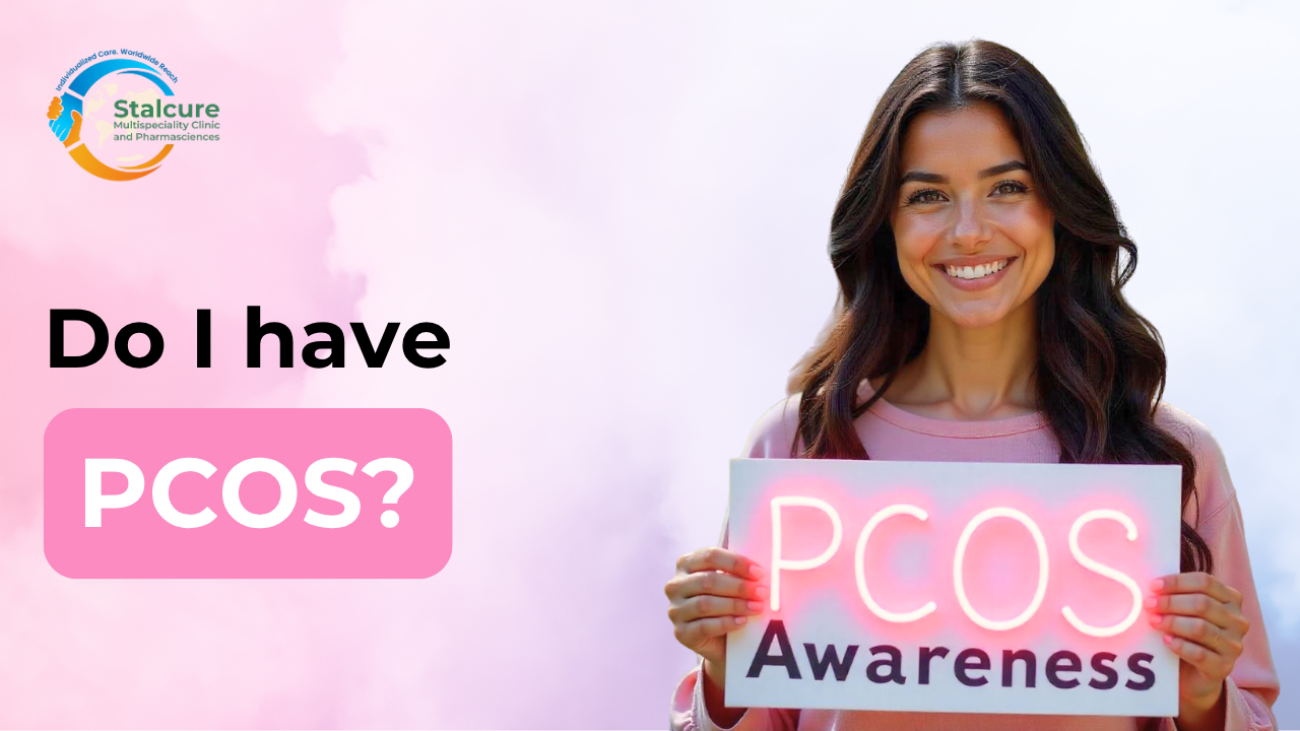

Polycystic Ovary Syndrome (PCOS) is more common than you might think. In fact, 1 in 10 women of reproductive age are affected by PCOS globally, according to the World Health Organization (WHO). But despite its prevalence, it often goes undiagnosed, leaving many women struggling with unexplained symptoms.
If you’ve ever asked yourself, “Do I have PCOS?” — you’re not alone. This guide breaks down everything you need to know about PCOS, from symptoms and causes to how it’s diagnosed.
PCOS is a hormonal disorder that affects the ovaries. It’s characterized by irregular menstrual cycles, excessive androgen levels (male hormones), and polycystic ovaries (where the ovaries contain numerous small fluid-filled sacs).
While PCOS gets its name from the presence of ovarian cysts, not all women with PCOS have them — and not all cysts indicate PCOS. Confusing, right? That’s why a comprehensive understanding is crucial.
How do you know answer to the question – “Do I have PCOS”? PCOS symptoms can vary from person to person, but here are some of the most common signs to look out for:
According to the Centers for Disease Control and Prevention (CDC), up to 70% of women with PCOS go undiagnosed, mainly because symptoms can be subtle or mistaken for other health issues.

The exact cause of PCOS is still unclear, but several factors are known to play a role:
There’s no single test to diagnose PCOS. Doctors usually use a combination of the following:
To be diagnosed with PCOS, a woman typically needs to meet at least two of the following three criteria (known as the Rotterdam Criteria):
Ignoring PCOS can lead to serious health risks like type 2 diabetes, heart disease, infertility, and even endometrial cancer. Early diagnosis and lifestyle changes — including a healthy diet, regular exercise, and stress management — can go a long way in managing symptoms and improving long-term health.
If any of these symptoms sound familiar, it might be time to speak to a healthcare professional. The sooner PCOS is diagnosed, the sooner you can take action.
Where to Get Help: Your First Step Toward a Diagnosis
If you’re experiencing symptoms that sound like PCOS, it’s important to consult with a qualified healthcare provider. Having the right team by your side can make all the difference — not just in getting a diagnosis, but in feeling heard, supported, and understood.
At Stalcure Multispeciality Clinic, we understand how overwhelming navigating hormonal health can be. Our approach is personalized and empathetic, combining the latest in diagnostic tools with a patient-first mindset. Whether you’re dealing with irregular periods, unexplained weight gain, or fertility concerns, our experienced specialists in gynecology, endocrinology, and nutrition work together to provide comprehensive and compassionate care.
You don’t have to self-diagnose or go through it alone. A proper consultation can bring clarity and help set you on a path to better health.
To book a consultation or speak with a specialist, simply reach out to Stalcure through our website or visit the clinic directly. We’re here to support you every step of the way.
PCOS may be complex, but understanding it is the first step toward taking control of your health. Remember — you’re not alone. With the right care and support, PCOS can be managed effectively.

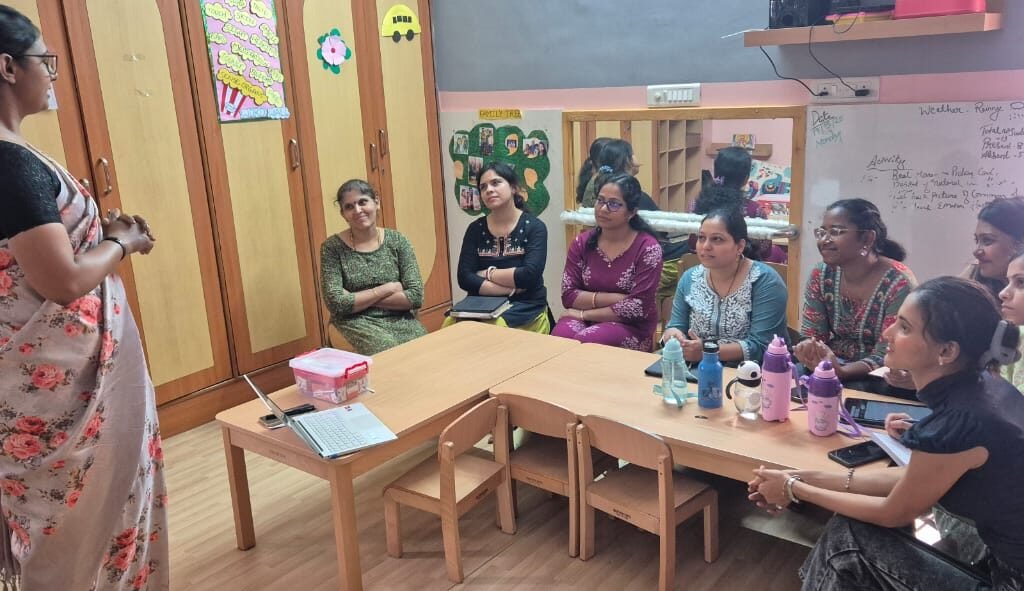
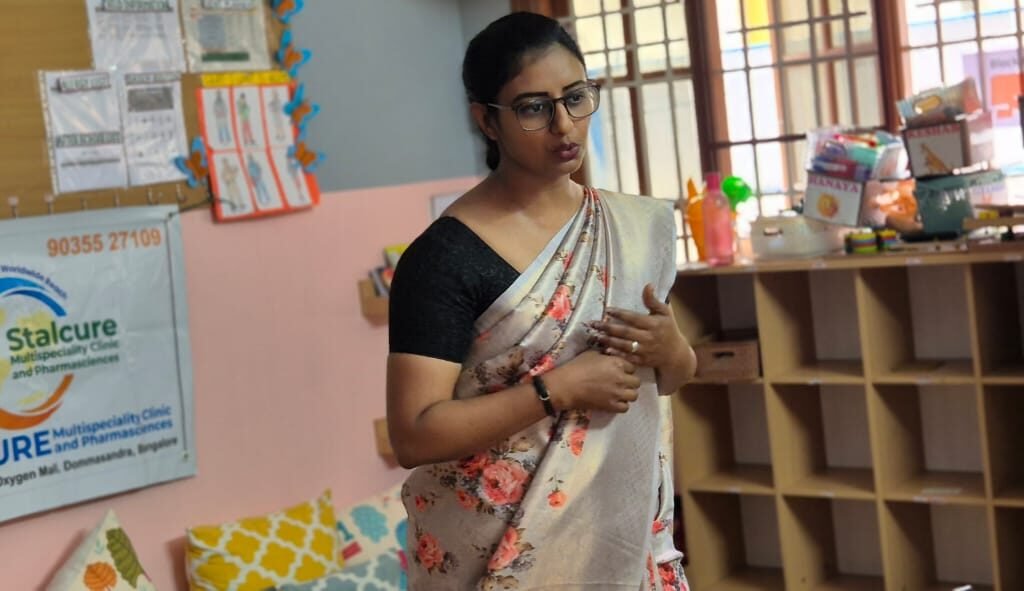
Last week, the team from Stalcure Multispeciality Clinic & Pharmasciences had the privilege of conducting an interactive and insightful First-Aid Training session for the dedicated staff of a nearby Montessori school. With 15 enthusiastic teachers and support staff in attendance, the session focused on equipping early childhood educators with essential first-aid knowledge that can truly make a life-saving difference.
The session was led by Margaret, our experienced Nursing Supervisor, who made the workshop hands-on, engaging, and full of practical tips tailored specifically for pre-school environments. From demonstrations to Q&A, the training covered real-world scenarios that educators commonly face in classrooms full of curious little explorers.
Educators had many thoughtful questions—proving just how invested they are in their students’ well-being. Some of the situations we discussed:
💡 Nurse Margaret not only demonstrated practical techniques but also did a full First-Aid Kit check to ensure all the basics—from bandages to antiseptic—were present and properly stored.
Especially in cases of itching, rashes, or boils, it’s crucial not to jump to conclusions. These could be as harmless as a mosquito bite—or as serious as the onset of chickenpox. In such cases, teachers were advised to immediately alert parents and consult a pediatrician, ensuring proper medical advice is sought without delay.
We’re proud to share that the Montessori is now First-Aid Certified, thanks to this initiative. The school staff is now more confident in identifying and responding to health emergencies, making the learning space safer for every child.
The response from the school community was overwhelmingly positive, with many teachers calling the session “eye-opening” and “empowering.”
This initiative was proudly organized and delivered by the team at Stalcure Multispeciality Clinic & Pharmasciences. With a strong focus on community health outreach, Stalcure is committed to bringing medical awareness and training to places where it matters most — starting with schools and early learning centers.
From emergency care to preventive health education, Stalcure continues to stand by its mission of making healthcare accessible, informative, and action-oriented for all.
Interested in hosting a similar First-Aid training session for your preschool or school staff? Get in touch with us at StalcureGroup.com — and let’s make safety a shared responsibility.

As the early monsoon showers grace Bengaluru, there’s an unexpected guest tagging along—COVID-19. India’s active COVID-19 cases have crossed the 1,000 mark, with Kerala leading at 430 cases, followed by Maharashtra (210), Delhi (104), Gujarat (83), and Karnataka (47) .
Two new Omicron sub-variants, NB.1.8.1 and LF.7, have been detected in Tamil Nadu and Gujarat. While these variants are under observation, they haven’t been classified as Variants of Concern yet.
While the early monsoon brings relief from the scorching summer heat and benefits agriculture, it also poses challenges. Cities like Pune and Mumbai have already experienced severe flooding due to the unexpected heavy rains . Such conditions can strain healthcare infrastructure and complicate efforts to manage potential COVID-19 outbreaks.
Recent reports indicate a rise in COVID-19 cases in regions like Noida, prompting health advisories in neighboring areas, including Delhi . The increase in cases underscores the importance of continued vigilance, especially during the monsoon season when other respiratory illnesses are also prevalent
The new variants primarily present mild symptoms, including:
Despite the mild nature, it’s essential to remain vigilant and adhere to safety protocols .
To mitigate the risk of a COVID-19 resurgence:
Located in Sarjapur, Bengaluru, Stalcure Multispeciality Clinic offers comprehensive healthcare services to help you stay ahead of infections. Their skilled general physicians provide preventive care, diagnosis, and treatment for various health concerns, ensuring holistic primary care for all.stalcuregroup.com+1stalcuregroup.com+1
Additionally, Stalcure Pharmacy supplies medical and household essentials at competitive prices, making it convenient for you to access necessary supplies during these times
By leveraging their expertise and resources, StalCure Group plays a pivotal role in preventing the spread of COVID-19, especially during challenging times like the monsoon season.
While the early monsoon brings numerous benefits, it also necessitates heightened awareness and preparedness to prevent a potential COVID-19 resurgence. By adhering to preventive measures and supporting initiatives by organizations like StalCure Group, we can collectively navigate this period safely.
Stay informed, stay safe, and let’s work together to keep COVID-19 at bay.


Wondering if you’re pregnant? Early pregnancy symptoms can be subtle, but recognizing them is crucial. At Stalcure Multispeciality Clinic on Sarjapur Road, Bangalore, we specialize in women’s health and are here to guide you through every step of your journey.
A missed period is often the first and most noticeable sign of pregnancy. If your menstrual cycle is regular and you’ve missed a period, it’s time to consider taking a pregnancy test.
Hormonal changes during early pregnancy can make your breasts feel tender, sore, or swollen. You might also notice that your areolas (the area around your nipples) darken.
Nausea, often referred to as morning sickness, can occur at any time of the day and typically starts around the sixth week of pregnancy. Some women may experience it earlier, while others might not experience it at all.
Feeling unusually tired? High levels of the hormone progesterone during early pregnancy can make you feel sleepy and fatigued. This is a common symptom in the first trimester.
If you’re experiencing any of these symptoms:
Located in the heart of Sarjapur Road, Bangalore, Stalcure Multispeciality Clinic offers comprehensive healthcare services, including:
If you suspect you’re pregnant or have any concerns about your reproductive health, don’t hesitate to reach out. Our team at Stalcure Multispeciality Clinic is here to support you.
📍 Address: Confident Oxygen Mall, Sarjapura Road, Bangalore
📞 Phone: +91 90355 27110
📧 Email: reachus@stalcuregroup.com
🌐 Website: stalcuregroup.com
Your health is our priority. Trust Stalcure Multispeciality Clinic for compassionate and comprehensive care.

Vaccinating your baby is one of the most effective ways to protect them from life-threatening diseases. Following the recommended baby vaccination schedule India ensures your child receives timely protection against infections like polio, measles, and hepatitis. With the detailed baby vaccination chart India, parents can stay on track with each essential vaccine.
At Stalcure Multispeciality Clinic & Pharmasciences, a trusted pediatric clinic in Bengaluru, our expert pediatricians make the entire child immunization schedule easy to follow. Whether you’re searching for a baby doctor in Bangalore or a child doctor near me, we’re here to support you every step of the way.
In this guide, we simplify the top 5 essential baby vaccinations every parent in India should know, along with a quick reference chart for your convenience.
Vaccinations need to be administered at the right time and in the right manner. Missing even one shot can leave your baby vulnerable. That’s why it’s important to visit a trusted baby doctor in Bangalore or look for a child doctor near me with experience in pediatric immunizations.
At Stalcure, our team of dedicated pediatricians:
Whether you’re a new parent or managing multiple children, navigating the child immunization schedule doesn’t have to be stressful. Our experienced doctors at Stalcure Multispeciality Clinic & Pharmasciencesoffer complete support, from explaining vaccine benefits to helping you stay on track with appointments.
Still unsure about your child’s infant vaccination schedule? Want to consult a child doctor near you?
📅 Schedule a visit to Stalcure Multispeciality Clinic & Pharmasciences— the trusted baby doctor in Bangalore — and give your child the safe, healthy start they deserve.


Welcome to your ultimate baby development guide.
Your baby’s first year is a time of exciting changes—and it’s normal to wonder if everything is on track. At Stalcure, a trusted pediatric clinic in Bangalore, we’re here to help you track your child’s monthly growth and identify when to consult a baby doctor.
Use this simple month-by-month baby development guide to stay informed, confident, and ready for every precious moment.
Month-by-Month Baby Development Stages
Tip: Gentle skin-to-skin contact can build trust and encourage bonding.
Development check: If your baby isn’t making eye contact or responding to sounds, it’s wise to speak to a baby doctor in Bangalore.
Baby development tip: Introduce soft toys or rattles to support hand-eye coordination and motor development.
Development alert: If your baby isn’t attempting to sit or hold their head up, schedule a developmental checkup.
Goal: Allow plenty of floor time in a safe space to encourage mobility.
Language tip: Encourage speech by reading, singing, and talking to your baby often.
Every child develops at their own pace, but some signs may suggest the need for professional guidance. If your baby misses several milestones or shows delayed development in movement, speech, or behavior, consult a pediatrician without delay. At Stalcure Multispeciality Clinic & Pharmasciences, our expert baby doctors in Bangalore are here to help you track growth and address concerns early.
This baby development guide is designed to help you understand each key milestone during the first year. Remember, no two babies are exactly alike—but having the right support makes a big difference.
If you have concerns or questions about your baby’s development, book a consultation with Stalcure Multispeciality Clinic & Pharmasciences pediatric specialists in Bangalore. We’re here to support your child’s health every step of the way.
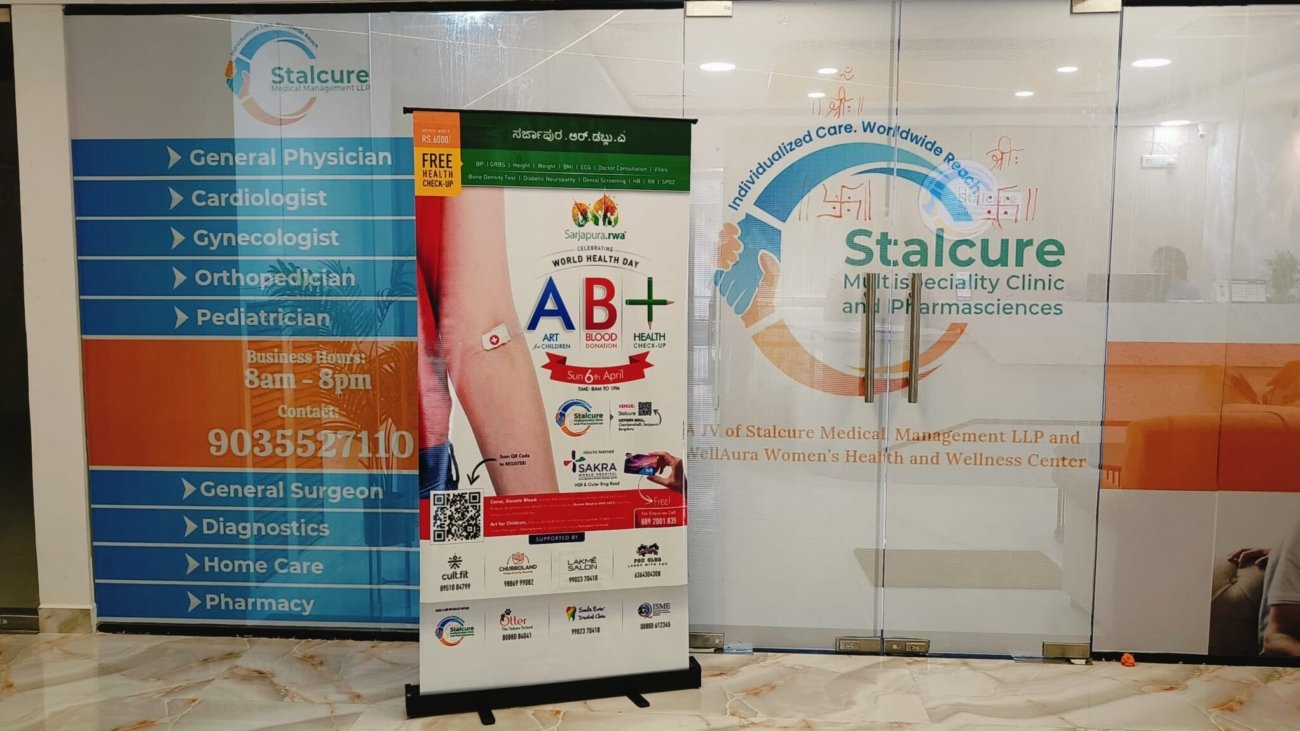
To mark World Health Day 2025, Stalcure Multispeciality Clinic and Pharmasciences, in collaboration with the Sarjapur RWA, hosted a vibrant and meaningful Blood Donation camp